If the name has white text and a red background, ESPECIALLY DO NOT TOUCH!
Here’s a cool video about common lizards.
Amphibian, Reptile, Gastropod & Fish Facts
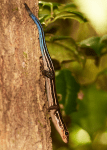

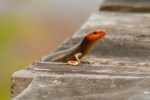
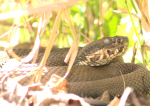
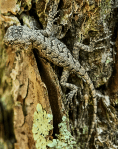
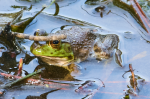
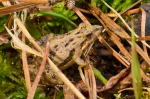
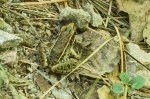
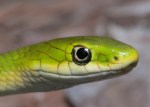
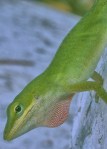
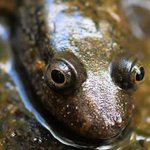

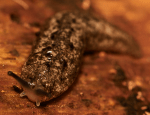

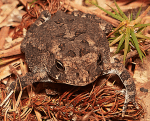

Below: NOT Amphibian, Reptile, or Gastropod

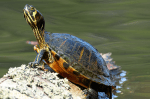
Reptiles have backbones, mostly live on land, and are are cold-blooded, which means their body temperature changes with the weather. When it’s warm, they warm up. When it’s cold, they cool down. Reptiles have dry, scaly skin and usually lay eggs with strong shells. They lay eggs. Today, reptiles that are still alive include turtles, crocodiles, snakes, lizards, and a rare reptile called the tuatara.
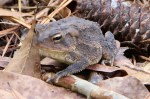
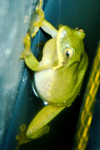
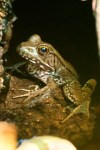
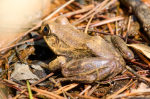
Amphibians can live both on land and in water. Some common amphibians are frogs and toads, salamanders and newts, and caecilians (which look a bit like worms). Amphibians have backbones and four legs (except some that lose them as adults). They are cold-blooded, so their bodies warm up or cool down with the weather. Most amphibians lay their eggs in water. When the eggs hatch, tadpoles come out. Tadpoles live in water and breathe with gills, just like fish. As tadpoles grow, they change in a special way called metamorphosis. They grow legs and lungs, so they can live on land. Adult amphibians can also breathe through their skin, especially when it is wet. Some salamanders don’t even have lungs at all – they breathe only through their skin!
Gastropods are a big group of animals called mollusks, and they are also called univalves. They are the largest and most successful type of mollusks. Most live in the sea, but many live in freshwater or on land too. Gastropods have been around for a very long time – since hundreds of millions of years ago! Snails and slugs are gastropods. So are abalones, limpets, cowries, conches, top shells, whelks, and sea slugs. A long time ago, gastropods lived on the sea floor and hunted other animals. Over time, they learned to live in lots of different places.
Fish live in water, breathe with gills, has fins to swim, and usually has scales. They are cold-blooded, meaning their body temperature changes with the water around them, and they have a backbone (vertebrates). Breathe with gills: Gills are special slits on the sides of their heads that take oxygen from the water.
 Pirate's Challenge - AKA "Pirate Math"