Dragonflies & Damselflies Facts
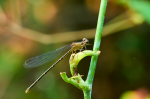


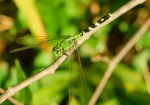


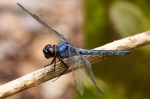
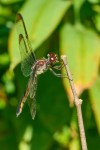
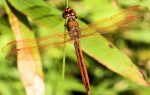
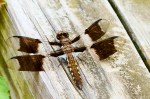
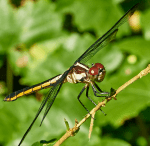
Dragonflies: Their giant eyes are made of up to 30,000 tiny lenses, allowing them to see in almost every direction at once. They can fly forward, backward, up, down, and even hover like a tiny helicopter. Dragonflies catch about 95% of the prey they chase. They can eat hundreds of mosquitoes in a single day. They grow in three main stages: 1) Egg: Mom lays eggs in or near water. Sometimes she even goes underwater to find the perfect plant. 2) Nymph (Baby): When eggs hatch, the babies, called nymphs, live underwater for months or even years. They have tail-like gills and hunt tiny water animals. 3) Adult: When fully grown, the nymph crawls out of the water. Its skin splits, and a new adult damselfly wiggles out, dries its wings, and flies away. No Sting: Despite their name, dragonflies do not sting and are generally harmless to humans.
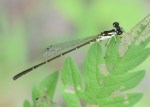
Damselflies look a lot like tiny dragonflies, but they have some special features all their own! Damselflies eat small flying bugs like mosquitoes and flies – flying with their spiny legs held out like a little basket to scoop up their food. They only live in clean water, so seeing lots of damselflies usually means the pond or stream is healthy. They fold their wings over their back like a closed book. Their eyes are far apart on the sides of their head. They have thin, stick-like bodies. They grow in three main stages: 1) Egg: Mom lays eggs in or near water. Sometimes she even goes underwater to find the perfect plant. 2) Nymph (Baby): When eggs hatch, the babies, called nymphs, live underwater for months or even years. They have tail-like gills and hunt tiny water animals. 3) Adult: When fully grown, the nymph crawls out of the water. Its skin splits, and a new adult damselfly wiggles out, dries its wings, and flies away.
 Pirate's Challenge - AKA "Pirate Math"