There are no links to information for individual pictures on this webpage.
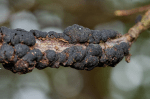
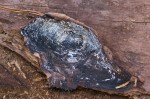
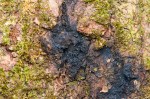
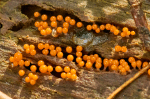
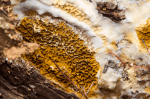
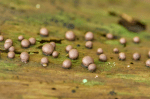
Note: An interesting thing about slime molds is that they do not have just one shape. What they look like today might not be what they look like tomorrow.
However, here’s a link to a cool video about slime molds. https://www.youtube.com/watch?v=LVaGIGa2HFI
Mushrooms, Slime Mold, Moss & Lichen Facts

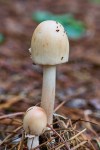
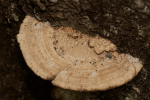
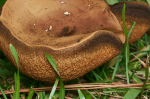
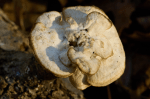
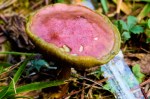
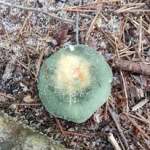
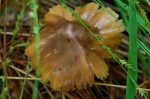
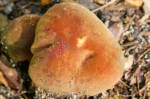
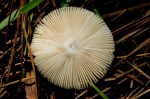
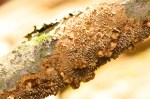
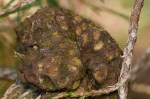
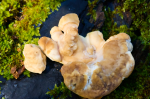
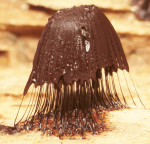
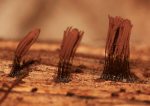

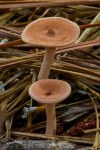
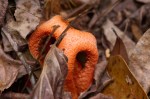
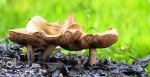
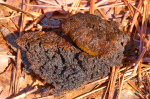
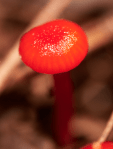
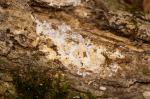
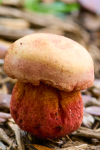
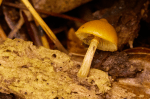


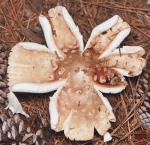
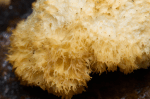
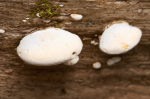
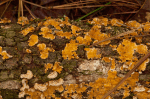

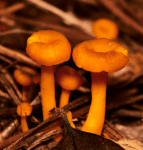
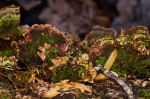
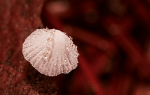
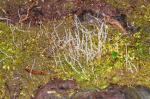
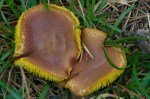
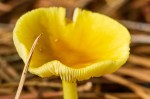
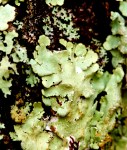
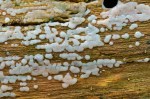
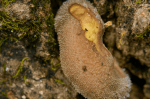
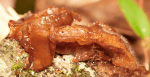

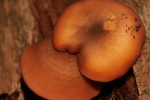
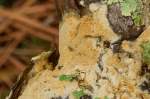
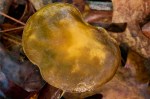
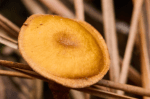
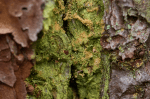
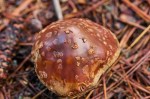
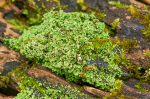
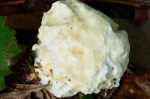
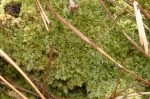
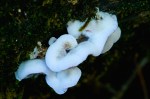

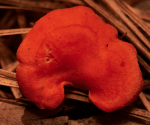
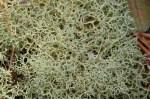

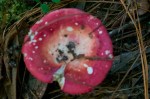

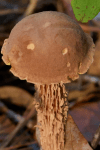
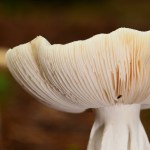
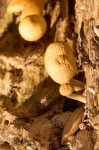
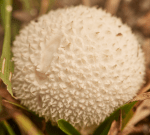
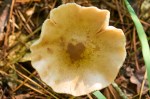
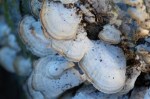
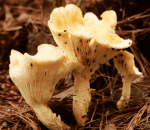
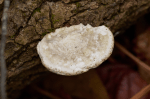
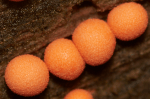
Mushrooms & Other Fungi (Fungus): They are NOT plants!
Mushrooms are amazing helpers in nature! Because of mushrooms, soil becomes healthier, holds water better, gets more air, and even gets cleaned of harmful stuff. All of this helps plants grow stronger and makes the whole soil ecosystem happier and more productive. Under the ground, they grow long, tiny threads called mycelium that spread like a secret web. This underground web helps break down old leaves, plants, and wood into food that the soil and plants can use. Mushrooms also team up with plant roots. They share nutrients and water with plants, and plants share energy back with them – like best friends helping each other out. This underground sharing system is sometimes called the “wood wide web.”
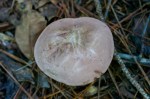
A fungus (plural: fungi) is a living thing. This group includes yeasts, molds, and mushrooms. Some fungi are very tiny and made of only one cell, while others are bigger and made of many cells. Fungi are different from plants and animals and belong to their own special group of living things.
Slime molds aren’t plants or animals – but they act a little like both! Slime molds show us that you don’t need a brain to be smart! They eat tiny germs called bacteria and can slowly crawl around like a moving blob. Sometimes they live as tiny single cells, and other times they join together to make one big, slimy body. They don’t have a brain, but can do amazing things – like find the shortest path through a maze to reach food! When they’re ready to make more slime molds, they release tiny spores that grow into new ones. They belong to a group called protists, which are living things that aren’t plants or animals. They’re related to amoebas and seaweeds and can change shape, live alone, or team up to form giant blobs.
Mosses are tiny green plants that don’t have flowers or seeds. They soak up water and food right through their leaves instead of using special tubes like most plants do. Mosses like to grow in soft, fluffy clumps, usually in shady and wet places like forests or near rocks. Each moss plant has very simple leaves and a small stem. Most mosses are very short—about as tall as your finger! Some special mosses can grow much taller, almost as tall as a ruler. Mosses are important because they help the environment. Some mosses help make soil, hold water, and give animals a place to live.
A lichen is not just one living thing. It’s a team-up between a fungus, which gives shape and holds water an alga (or cyanobacterium), which makes food using sunlight. Together, they help each other survive! Lichens live almost everywhere! On rocks, trees, soil, roofs, walls, and even sidewalks. Lichens don’t need soil—they get what they need from the air and rain. Super slow growers: Some lichens grow only a tiny bit each year! They can live through heat, cold, and long dry times. When it rains, they “wake up” again. Clean-air clues: Lichens are like little air detectives. If the air is dirty, they don’t grow well. Animals like reindeer eat lichens, and tiny insects use them as homes.
Bracket fungi, also called shelf fungi, are a special kind of mushroom. These fungi grow in a cool way – they make shelf-like shapes called conks. You can often see these conks sticking out from trees or old wood, sometimes in rows. Some bracket fungi are small with just a few caps, while others can be really big with lots of rows of caps that can be heavy! They usually grow on trees, both living and dead, and sometimes on fallen wood. Some types grow new conks every year. Others are perennial, which means they can live for many years and keep growing bigger. Bracket fungi are usually tough and strong. On the bottom of their conks, they release tiny spores called basidiospores. These spores float away and help new fungi grow in other places.
 Pirate's Challenge - AKA "Pirate Math"