Plant, Ferns, Vines & Shrubs Facts
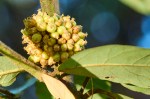
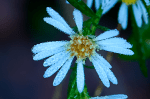
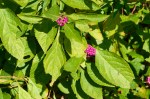
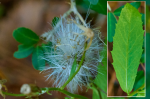
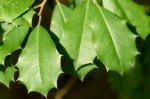
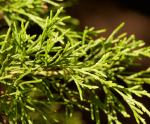
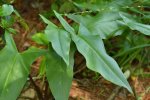


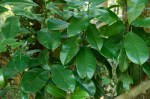
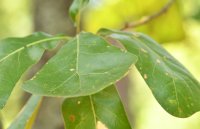
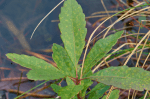
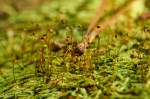
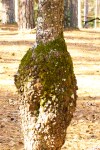
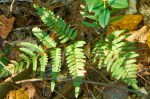
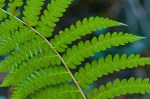

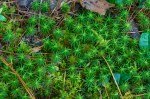
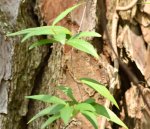
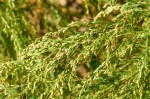
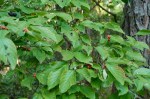
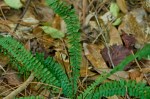
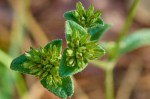
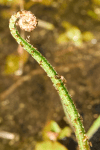
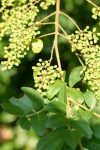
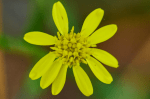
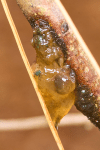
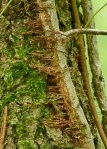

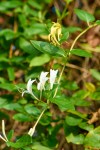
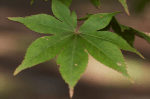
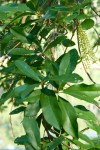



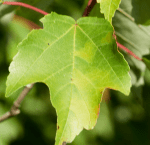

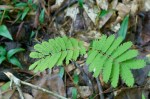
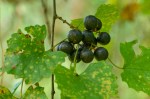

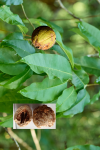

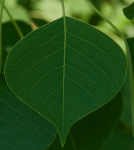
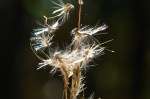
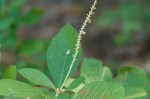
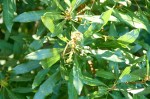
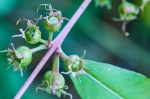
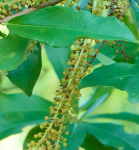
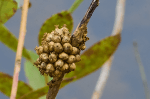
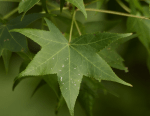
(Chinese Tallow)
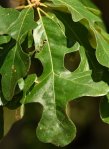
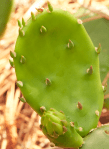
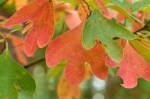

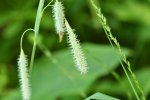
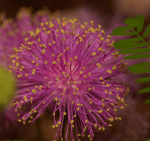

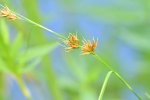
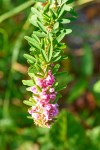
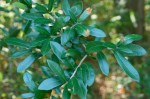
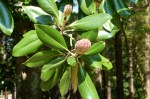
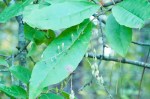
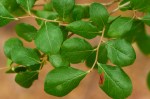
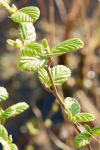
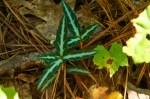

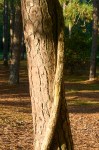
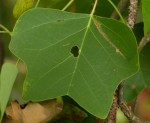
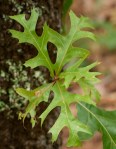
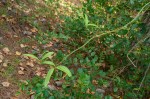

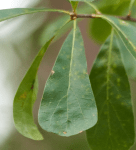
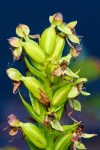
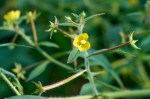
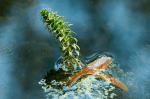
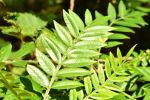
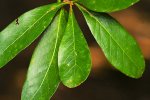
Plants make their own food. Once food is made in the leaves, it moves to other parts of the plant, like stems and roots. Most plants grow in the ground. They have stems above and roots below. Some plants, however, float on water. Roots take in water and nutrients from the soil. This water travels up the stem to the leaves. Water then leaves the plant through tiny holes in the leaves. This process is called transpiration. Plants need sunlight, carbon dioxide, minerals, and water to make their food. They do this through a process called photosynthesis. A green substance called chlorophyll helps plants capture the sun’s energy. Chlorophyll is mostly found in plastids, which are inside the leaf cells. You can think of a leaf as a food factory! Leaves come in many shapes and sizes. They are perfectly designed to catch sunlight.
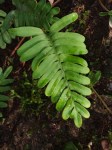
Unlike mosses, ferns have tiny tubes inside them called xylem and phloem. These tubes help move water and food around the plant, so ferns are called vascular plants. Ferns have roots, stems, and leaves. Their stems can grow above the ground like runners, which are called stolons, or underground, which are called rhizomes. Fern leaves are usually green and big. Many ferns have tiny spores on the bottom of their leaves instead of seeds. Some ferns grow really big in wet places. They can live in more places than mosses, but not as many as flowering plants.
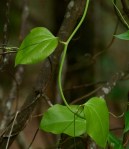
A vine is a special kind of plant that loves to climb! Instead of growing tall like a tree, it grows long, twisty stems. Sometimes these stems spread out on the ground first. But when a vine finds something to climb—like a tree, fence, or wall—it starts growing up really fast! This helps the vine reach sunlight, even if tall trees are in the way.
How Do Vines Climb?
Vines can’t stand up straight on their own, so they have clever ways to grab onto things. Some vines have tiny curly arms called tendrils that wrap around supports. Others have sticky pads or roots that help them cling to walls or trees. This way, they can grow high without needing a thick, heavy trunk.
A shrub or bush is a type of plant. Think of it like a smaller cousin to a tree! While a tree usually has one main stem that branches out higher up, a shrub has many stems. These stems grow right from the ground or very close to it. Shrubs usually do not grow as tall as trees. They are often less than 1 to 2 meters (about 3-6 feet) tall. Many plants can actually be either shrubs or trees. It depends on where and how they grow. Some very small, low shrubs are called subshrubs. Examples include lavender, periwinkle, and thyme. Shrubs can also be either deciduous or evergreen. Deciduous shrubs lose their leaves in the fall, while evergreen shrubs keep their leaves all year round.
 Pirate's Challenge - AKA "Pirate Math"